

Taj Mahal Quartzite Kitchen Countertops: Pros, Cons, Care & Complete Buying Guide
Widely loved in high-end residential and commercial projects, Taj Mahal Quartzite (known as Jinghu Chunxiao in the Chinese market) stands out for its soft creamy beige base with flowing golden-brown veining and exceptional durability. Many homeowners and designers ask: Is Taj Mahal quartzite a natural stone? Is Taj Mahal quartzite good for kitchen countertops? How does it compare to marble? This guide covers all key details to help you make an informed choice.
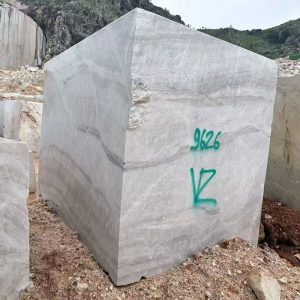
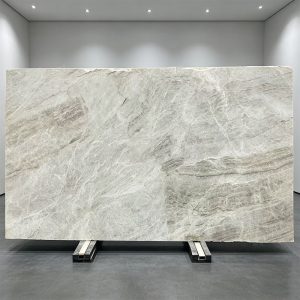
- What Is Taj Mahal Quartzite?
Taj Mahal Quartzite is a 100% natural quartzite quarried in Brazil, and it is one of the most popular luxury quartzite slabs on the global stone market.
Formed over millions of years under geological heat and pressure, it is composed mainly of silicon dioxide and reaches a Mohs hardness of 7. Each slab features unique, natural veining patterns. As a premium natural stone, it has become a top alternative to marble for high-traffic areas like kitchens and bathrooms.
- Pros & Cons of Taj Mahal Quartzite for Kitchen Countertops
Key Advantages
- Superior scratch resistance: With Mohs hardness 7, this Brazilian quartzite countertop resists scratches from kitchen knives and cookware far better than marble, keeping a polished finish for years.
- Excellent heat resistance: Natural quartz crystal structure withstands short-term heat over 200°C. Hot pans and kettles can be placed temporarily without scorching — a big plus for daily cooking.
- Great stain resistance: Its dense crystalline structure has extremely low water absorption. Soy sauce, coffee and wine spills wipe away easily with no permanent staining when cleaned promptly.
- Weak acid resistance: Unlike calcium carbonate-based marble, it will not etch or discolor from brief contact with vinegar, lemon juice or other common kitchen acids.
Limitations
As an imported luxury natural stone, Taj Mahal quartzite cost is higher than ordinary granite and engineered stone. Its high hardness also makes custom shaping more demanding, with slightly longer fabrication lead times.
- Taj Mahal Quartzite vs. Marble vs. Porcelain Slab
- Taj Mahal quartzite vs marble: Marble offers more pattern variety and lower entry pricing, but it scratches, stains and etches easily and requires frequent sealing. Taj Mahal quartzite durability is far higher, making it much more suitable for busy kitchen countertops.
- Taj Mahal quartzite vs porcelain slab: Porcelain slab is fully stain-proof and available in extra-large sizes, but it is brittle and chips easily at edges, with a cold industrial feel. Quartzite delivers warmer, natural texture, better impact resistance and one-of-a-kind veining for a luxury look.
- Best Cabinet Colors for Taj Mahal Quartzite Countertops
Thanks to its warm neutral base, it pairs beautifully with almost any kitchen style:
- Creamy white cabinets: Timeless choice for cream-style and French kitchens, highlighting the stone’s delicate veining.
- Light gray cabinets: Creates a sleek, modern minimalist look that stays elegant for years.
- Dark wood cabinets: Brings out a cozy, warm mid-century or Japandi-style atmosphere.
- Charcoal black cabinets: Delivers a high-contrast, sophisticated luxury feel perfect for large kitchens and open islands.
- How to Maintain Taj Mahal Quartzite (Does It Stain & Need Sealing?)
A common question is: Does Taj Mahal quartzite stain? Authentic high-grade quartzite is very dense and highly stain-resistant with normal use. Proper care will extend its lifespan:
- Clean daily with a soft cloth and neutral pH cleaner; avoid steel wool, strong acids and harsh alkalis.
- Does Taj Mahal quartzite need sealing? Yes — professional sealing every 12–18 months is recommended, and once per year for heavy-use kitchen areas.
- Avoid leaving extremely hot cookware on the surface for long periods; use a cutting board for food prep.
- Wipe up dark spills immediately. Stubborn residues can be removed gently with a stone-specific cleaner.
- Taj Mahal Quartzite Price & Where to Buy in China
How much is Taj Mahal quartzite per square meter? Pricing depends on grade, thickness and fabrication details. Standard-grade finished countertops generally range from around 1,000 to 3,000+ RMB per square meter; premium select slabs with uniform, flowing veining cost more. Custom work such as mitered edges, thickened profiles and seamless joints adds extra fabrication cost.
Sourcing from the Stone Capital of China
Based in Shuitou Town, Fujian — the Stone Capital of the World, SINO TOPSTONE specializes in sourcing premium Taj Mahal quartzite blocks and slabs directly from origin. We provide full custom fabrication for kitchen countertops, wall cladding, flooring and more, offering one-stop service from slab selection to delivery.
Whether you need custom residential countertops or bulk supply for commercial projects, we can match the right stone grade to your budget while controlling quality and lead time at the source.
If you are looking for reliable Taj Mahal quartzite suppliers in China, want the latest Shuitou market prices, or need physical samples and on-site slab viewing, feel free to contact us for a tailored quotation and material solution.